
Rods for Closets in Long Island City: A Practical Guide
Learn how to choose and install the right closet rods for your Long Island City home, with tips from Empire Closets Inc. serving all of NYC.
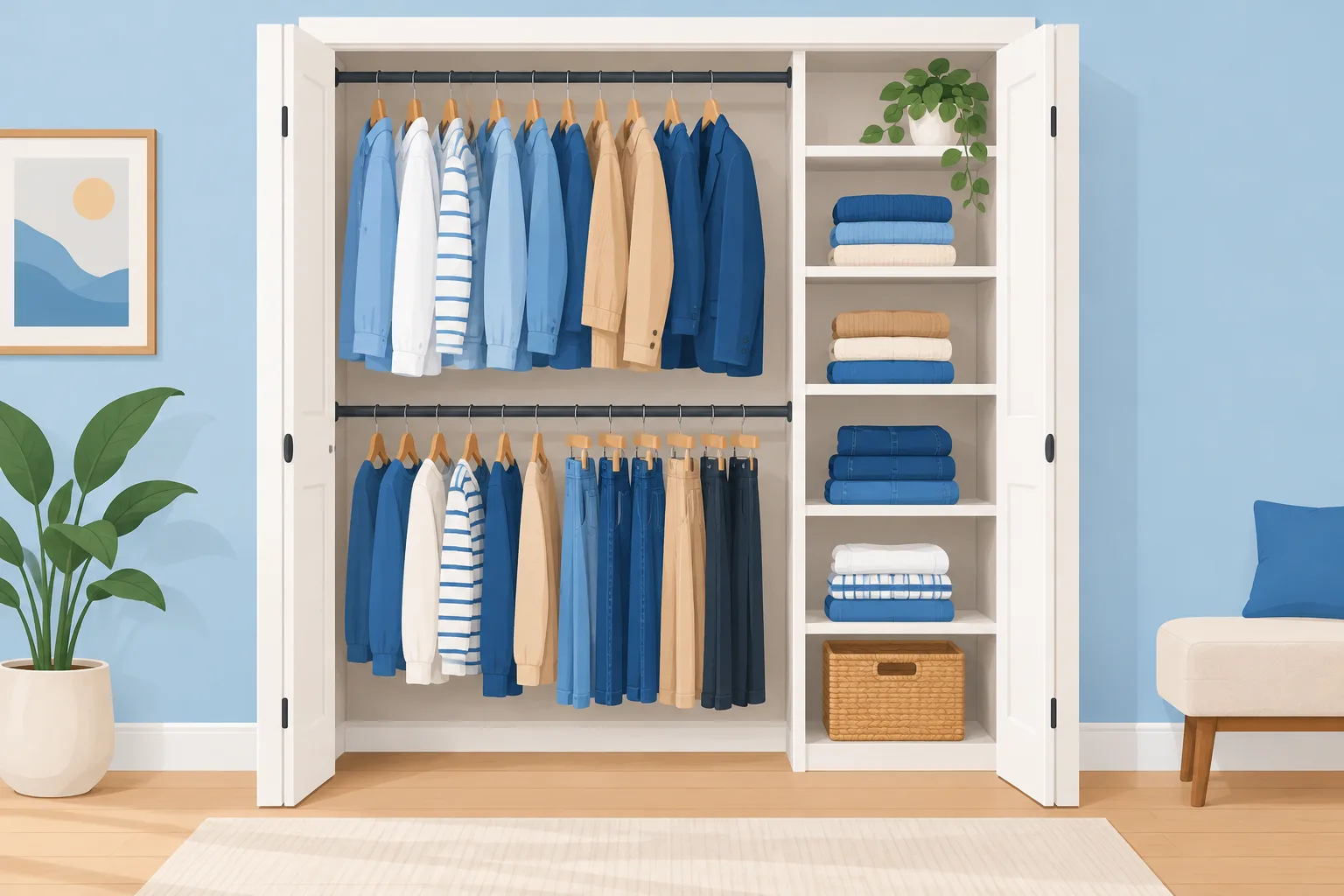
Choosing the right rods for closets in Long Island City can make a real difference in how much clothing you can store and how easy it is to find what you need. Many LIC apartments and condos have narrow or oddly shaped closets, so picking the correct rod type and placement matters. This guide gives you practical steps to get the most out of every inch of closet space.
Why Closet Rods Matter in Long Island City Homes
Long Island City has a mix of converted warehouses, new high-rise condos, and older prewar buildings. Most of these homes share one problem: limited closet space. A poorly placed or flimsy rod wastes vertical space and can bend or fall under heavy clothing. The right rod setup keeps clothes wrinkle-free and gives you room to grow your wardrobe. If your closet feels cramped, the rod layout is usually the first thing to fix.
Types of Closet Rods to Consider
Not all rods are the same. Here is a breakdown of the most common options:
- Single rod: One rod running the full width of the closet. Good for long dresses and coats. Simple but wastes the lower half of the space.
- Double rod: Two rods stacked on top of each other. Great for shirts, jackets, and folded pants. Doubles your hanging space without adding square footage.
- Corner rod: Fits into an L-shaped or corner closet. Common in older Queens County and Brooklyn brownstones with awkward layouts.
- Oval rod: Shaped like a flattened oval instead of a round tube. Fits more hangers in less space. A smart pick for tight LIC closets.
- Retractable or pull-out rod: Slides in and out from the wall. Useful for seasonal storage or small reach-in closets.
Choosing the Right Rod Material
Rod material affects both strength and style. Here are the most practical choices for New York City homes:
- Chrome steel: Strong, affordable, and easy to clean. Works in almost any closet.
- Brushed nickel: A clean, modern look that fits well in newer LIC and Manhattan apartments.
- Matte black: Popular in Bronx and Brooklyn loft-style spaces. Adds a bold visual detail.
- Wood: Warm and classic. Pairs well with wood shelving in custom closet builds. Less common but very durable when properly supported.
For heavy loads like winter coats, choose a rod that is at least one inch in diameter. Thinner rods can sag over time, especially in longer spans.
How to Measure and Place Your Closet Rod Correctly
Proper placement prevents wasted space. Follow these steps:
- Measure the full width of your closet opening from wall to wall.
- For a single rod, place it about 65 to 68 inches from the floor. This gives enough clearance for long items.
- For a double rod setup, place the upper rod at about 80 inches and the lower rod at about 40 inches from the floor.
- Leave at least 12 inches of depth behind the rod so hangers can swing freely without hitting the back wall.
- Add a center support bracket for any rod longer than 48 inches. This prevents sagging.
If you live in a prewar building in Queens County or an older unit near the Bronx border, walls may not be perfectly level. Use a level tool before you drill.
When a Custom Solution Makes More Sense
Standard rods from a hardware store work fine for simple closets. But many Long Island City homes have closets that are too narrow, too shallow, or oddly shaped for off-the-shelf parts. In those cases, a reach-in closet design or a fully custom walk-in closet system gives you a much better result. A professional can measure your exact space and build a rod and shelving layout that fits perfectly. This is especially helpful in older buildings where walls, floors, and ceilings are rarely square.
Empire Closets Inc. works with homeowners across Long Island City, Queens County, Brooklyn, Manhattan, and the Bronx to design closet systems that actually fit the space. A custom rod layout can double your storage without touching the walls or floor plan.
Tips for Getting More from Your Existing Closet
Even before you upgrade your rods, a few simple habits help:
- Sort clothes by length. Hang short items together so you can add a shelf or second rod below them.
- Use slim velvet hangers instead of bulky plastic ones. You can fit 30 to 40 percent more clothing on the same rod.
- Add hooks to the inside of closet doors for bags, belts, or scarves.
- Use shelf dividers above the rod to keep folded items from toppling.
These small changes cost very little and work in any closet size, from a tiny studio in Long Island City to a larger home on Long Island.
Questions Homeowners Ask
How far from the wall should a closet rod be placed?
The rod should sit at least 10 to 12 inches from the back wall. This gives hangers enough room to hang straight without pressing against the wall and wrinkling your clothes.
What length rod do I need for a standard closet?
Measure wall to wall and subtract about one inch on each side for the brackets. Most standard closets in LIC and Queens County apartments run between 36 and 72 inches wide, so measure your specific space before buying.
Can I add a second rod to my existing closet without a carpenter?
Yes, if your walls are in good shape and you can find the studs. However, in many older New York City buildings, walls are plaster over brick or metal stud framing, which requires special anchors. A professional can make sure the installation is secure.
Is a custom closet system worth the cost in a rented apartment?
It depends on your lease. Some landlords allow improvements. Always ask before drilling. If you own your LIC condo or co-op, a custom system adds real value and daily convenience.
Ready to upgrade your closet rods or design a full custom system? Homeowners across Long Island City, Queens County, Brooklyn, Manhattan, and the Bronx trust Empire Closets Inc. for practical, well-built solutions. Request your free quote today and see what a proper closet setup can do for your home.
More from our blog

Get Your Free Quote
Licensed, insured, and ready to help. Let's get it done right.